


How to Remove Wrinkles from Your Favorite Sweaters
Don’t let wrinkles ruin your favorite sweater! Learn how to remove them quickly and easily using these simple techniques.
Sweaters are one of our most cherished garments, providing warmth and comfort on chilly days. But when they start to wrinkle, it can be devastating. Whether you’ve been wearing them non-stop or just haven’t had a chance to wash them, wrinkles can make your favorite sweater look dull and lifeless. The good news is that removing wrinkles from sweaters is easier than you think!
Understanding Wrinkles on Sweaters
Before we dive into the techniques, let’s understand what causes wrinkles on sweaters:
- Fabric type: Thick, chunky yarns are more prone to wrinkling than thin, smooth ones.
- Washing habits: Washing sweaters in hot water or using harsh detergents can cause wrinkles and shrinkage.
- Drying methods: Over-drying or using heat to speed up the drying process can lead to wrinkles and shrinkage.
Method 1: Steam Wrinkle Removal
Steam is a powerful tool for removing wrinkles from sweaters. Here’s how:
- Use a handheld steamer: Fill the steamer with water and steam the sweater until it’s smooth.
- Hold the steamer vertically: Hold the steamer about 6 inches away from the sweater, moving it up and down to cover the entire area.
- Steam till Desired Look: Steam the sweater for desired look, depending on its thickness and level of wrinkling.
Method 2: Ironing (Use Caution)
Ironing is another effective way to remove wrinkles from sweaters:
- Use a low heat setting: Set your iron to a low heat setting (around 300°F/150°C).
- Use a pressing cloth: Place a pressing cloth between the sweater and the iron to prevent scorching.
- Iron in the direction of the fabric: Iron the sweater in the same direction as the fabric, using long strokes.
Always check sweater Care Label(s) before proceeding. Talk with your professional team for help when in doubt!
Method 3: The Pinch-and-Fold Technique
This technique is perfect for thicker sweaters:
- Fold the sweater in half: Fold the sweater in half lengthwise, pressing it to remove any wrinkles.
- Pinch the fibers: Gently pinch the fibers to relax them and remove wrinkles.
- Hang up and wait: Hang the sweater up to dry, allowing it to relax completely.
Method 4: The Dryer Sheet Trick (Use Caution)
This method is quick and easy:
- Place a dryer sheet in the sweater: Place a dryer sheet inside the sweater to absorb moisture and reduce wrinkles.
- Hang up and let air out: Hang the sweater up to dry, allowing it to breathe and relax.
Always check sweater Care Label(s) before proceeding. Talk with your professional team for help when in doubt!
Tips and Tricks
To keep your sweaters wrinkle-free for longer:
- Wash them gently (if wet clean is possible): Avoid using harsh detergents or hot water when washing your sweaters.
- Dry them naturally: Air-dry your sweaters whenever possible, avoiding heat drying or over-drying.
- Use a fabric refresher (if wet clean is possible): Apply a fabric refresher spray to keep your sweaters smelling fresh and looking new.
Wrapping Up
Removing wrinkles from sweaters is easier than you think! With these simple techniques, you’ll be able to revive your favorite sweater in no time. Remember to use the right tools, choose the right method for your sweater type, and take care of your garment by washing it gently and drying it naturally. Happy wrinkle-free living!


How to Take Care of Your Ugly Christmas Sweaters
Ah, the holidays are here! And with them comes the fun Christmas sweater parties! You show up in style, surrounded by friends and family, wearing your ugliest, most festive sweater. But as the night wears on and the festivities come to an end, you’re left wondering: How do I keep my ugly Christmas sweater looking its best after?
Don’t worry, your team has got you covered! Taking care of your ugly Christmas sweater requires a little TLC, but trust us, it’s worth it.
Wash, Rinse, or Dry Clean?
When you do finally get around to washing your ugly Christmas sweater, there’s a common dilemma: should you throw it in the dryer, hand wash, or dry clean it? Here’s what we recommend (if wet clean is possible):
- Hand wash only: Ugly Christmas sweaters are often made of delicate materials like acrylic, nylon, or wool. These fabrics can shrink or lose their shape if exposed to high heat and agitation.
- Mild detergent only (if wet clean possible): Choose a mild detergent that’s specifically designed for washing knits or delicates. Avoid harsh chemicals or fabric softeners, which can damage the fibers.
- Cold water only: Wash your ugly Christmas sweater in cold water (below 30°C/86°F) to prevent shrinkage and color fading.
Always check garment care label instructions. If you're unsure, talk to your expert dry cleaning team!
Machine Dry or Air Dry?
Once you’ve cleaned your ugly Christmas sweater, it’s time for the drying process. Here’s how:
- Reshape while wet: Gently reshape your sweater while it’s still damp to maintain its original shape.
- Air dry only: Allow your sweater to air dry away from direct sunlight or heat sources. Avoid using a tumble dryer, which can cause shrinkage and damage.
Iron?
Once your ugly Christmas sweater is dry, you might be tempted to iron it. But hold off! Ugly Christmas sweaters often have decorative elements like glitter, sequins, or pom-poms that can be damaged by heat and pressure.
Instead, let your sweater air dry completely before gently shaking it out to restore its shape. If you must iron a section of the sweater, make sure to use a low heat setting and a pressing cloth to protect the fabric. Use your professional team to press your delicate sweaters to keep them looking their best all year.
Storage?
Finally, how do you store your ugly Christmas sweater for next year? Here’s what we recommend:
- Lay flat over Strut Hanger: Store your sweater on a sturdy hanger or lay it flat in a cool, dry place. Avoid folding or creasing, which can cause wrinkles and damage.
- Avoid direct sunlight: Keep your sweater away from direct sunlight, which can cause fading and color loss.
- Remove Plastic Covering: Keeping plastic covering over sweaters can lead to discoloration and plastic adhering to the fabric.
Tips and Tricks
To keep your ugly Christmas sweater looking its best for years to come:
- Spot clean stains: Use a stain remover specifically designed for knits or delicates to remove any stubborn stains.
- Use a fabric refresher spray (if possible): Keep your sweater smelling fresh with a fabric refresher spray.
- Store it in a protective bag (store bought) : Protect your sweater from dust, dirt, and damage by storing it in a breathable bag or container.
Wrapping Up
Taking care of your ugly Christmas sweater requires a little TLC, but trust us, it’s worth it. By following these simple tips and tricks, you’ll be able to enjoy your sweater for years to come – not just through the holiday season, but all year round!
So go ahead, show off that ugly Christmas sweater! And when it comes time to store it away, remember: gentle care is key!

10 Ways to Keep Your Denim Looking Fresh
Denim is one of the most popular fabrics in the world, and for good reason. From casual jeans to dressy skirts, denim is versatile, comfortable, and timeless. However, like all fabrics, denim can accumulate wrinkles, fade, and develop unsightly stains over time. But don't worry, we've got you covered! In this article, we'll share 10 expert tips on how to keep your denim looking fresh and fabulous.
Wash Denim in Cold Water
Washing denim in cold water is one of the most effective ways to prevent fading and shrinkage. Hot water can cause the colors to bleed, and the fibers to break down, leading to a loss of shape and size. By washing your denim in cold water, you'll help preserve its color and texture.
Use a High-quality Detergent
Regular laundry detergents can be too harsh for denim, causing it to fade and lose its softness. Look for a detergent best suited for denim, which will gently clean the fabric without stripping away its natural oils.
Avoid Over-Drying
Denim can become stiff and uncomfortable when over-dried. To prevent this, remove your jeans from a low drying setting as soon as the cycle finishes, and hang them up to air dry. This will help maintain their softness and flexibility.
Store Denim Correctly
When not in use, store your denim in a cool, dry place away from direct sunlight. Moisture can cause mold and mildew to grow on the fabric, leading to unpleasant odors and discoloration.
Consider a Fabric Softener Alternative
Fabric softeners can leave a residue on denim that causes it to become stiff and less breathable. Instead, try using a natural alternative like baking soda or white vinegar to soften your jeans without compromising their quality.
Iron Denim Whenever Possible
Iron denim while still slightly damp is one of the most effective ways to remove wrinkles and creases. This will help smooth out the fabric, preventing it from becoming bunched up or distorted.
Use a Denim Steamer
Denim steamers are designed specifically for steaming denim fabrics, and can be used to quickly remove wrinkles and restore their natural texture. Simply hang your jeans on a hanger, and let the steamer do its magic!
Avoid Exposure to Bleach
Chlorine bleach is one of the most damaging chemicals you can expose denim to, causing it to fade, yellow, and lose its softness. Always use oxygen-based bleaches or color-safe alternatives instead.
Clean Stains Immediately
The sooner you clean a stain on your denim, the better chance you have of removing it completely. Look for specialized denim stain removers, which can tackle everything from food spills to grass stains with ease.
Regularly Dry Clean
If you want to keep your denim looking its absolute best, consider using a dry cleaning service. This will help prevent wear and tear, maintain the fabric's texture, and keep it looking like new for years to come.
Wrapping Up
By following these 10 expert tips, you'll be able to keep your denim looking fresh, clean, and fabulous for years to come. Whether you're a jeans aficionado or just someone who loves a good pair of pants, we hope these tips have inspired you to take better care of your beloved denim!

Winter Garment Care: Keeping Your Clothes Warm and Cozy
As winter rolls in, it’s important to take extra care of your winter garments to ensure they stay warm, functional, and stylish throughout the season. Here’s how to properly care for your winter clothes, from coats and scarves to sweaters and gloves, to ensure they last for years to come.
Understand Fabric Care
Different fabrics require different care. Wool, cashmere, and down are common in winter wardrobes, and each needs specific attention. Wool and cashmere should be hand-washed or dry-cleaned, while down jackets require special washing techniques to keep their insulating properties intact. Learn more here.
Wash Gently and Correctly
When washing winter garments, use cold water and a gentle detergent to avoid damaging the fibers. For delicate items like wool sweaters, consider using a mesh laundry bag to prevent stretching. Always follow the garment’s care label for the best washing instructions.
Dry Properly
Avoid tossing winter garments into the dryer, as high heat can cause shrinkage and damage. Instead, air-dry your wool sweaters, down jackets, and other delicate items by laying them flat on a clean surface or hanging them in a well-ventilated area. This helps preserve the fabric's shape and structure.
Store Winter Garments Correctly
When winter ends, it’s time to store your seasonal pieces. Make sure they are clean and dry before storing to prevent mold and mildew. Use breathable garment bags for coats and jackets, and store wool sweaters folded in a cool, dry place. Add cedar blocks or lavender sachets to ward off moths.
Protect from the Elements
Snow, salt, and rain can all damage your winter garments. For your outerwear, consider using a fabric protector spray to create a waterproof barrier. Be mindful of salt stains, especially on boots and wool, as they can be difficult to remove if not treated quickly.
Repair Small Damages Early
Small tears, missing buttons, and fraying hems are common in winter clothing due to the rough weather. Address these issues early to prevent them from worsening. Keep a sewing kit on hand, or take items to a professional for repair.
Refresh and Rejuvenate
Winter garments, especially those made of down or synthetic fibers, can lose their fluff over time. Consider having your down jackets or comforters professionally cleaned and fluffed to restore their insulating power. You can also refresh wool items with a fabric steamer to remove wrinkles and odors.
By following these care tips, you’ll keep your winter garments in excellent condition, ensuring they provide warmth, comfort, and style all season long.

Tailored Clothing Tips: How to Maintain the Shape and Structure of Suits, Dresses, and Formal Wear
When it comes to tailored clothing, preserving the fit and structure of your garments is key to keeping them looking sharp and polished. Suits, dresses, and other tailored pieces require special care to maintain their shape, fabric quality, and overall appearance. Here are some expert tips on how to care for these items and extend their lifespan.
Store Properly
Use the Right Hangers:
Avoid using flimsy or wire hangers that can distort the shape of your tailored garments. Invest in wide, padded hangers for suits, blazers, and dresses to help maintain their structure. For trousers, use a hanger with clips or a pant bar to avoid creases.
Give It Space:
Tailored garments need room to breathe. Store your clothes in a spacious closet to avoid unnecessary wrinkling. If you use garment bags, make sure they're breathable to prevent moisture buildup.
Regularly Brush and Steam Your Suit
Brush Your Clothes:
A gentle brush can help remove dirt, lint, and dust from wool or tweed fabrics, reducing the need for frequent cleaning. Brushing your suit after each wear keeps the fabric looking fresh and helps maintain its texture.
Steam, Don’t Iron:
Instead of ironing, which can flatten and damage the fabric, use a steam iron or a garment steamer to smooth out wrinkles. Steaming helps to relax fibers without causing wear.
Avoid Over-Washing
Dry Clean Is Necessary:
Frequent washing can take a toll on the fabric of your tailored clothing, especially on suits and dresses. Dry cleaning it’s absolutely necessary — typically clean after the first wear, depending on the fabric and garment.
Spot Clean:
For minor stains, spot cleaning with a fabric-appropriate cleaner can help keep your tailored pieces looking pristine between cleanings.
Pay Attention to Fittings and Alterations
Stay on Top of Tailoring Needs:
Even the best-tailored clothing can start to lose its perfect fit over time. As your body changes, don’t hesitate to visit your tailor for minor adjustments to keep your garments fitting just right.
Have a Professional Check for Damage:
If you notice any loose threads, missing buttons, or small tears, don’t wait to get them repaired. Small fixes can prevent more costly damage down the line.
Proper Care for Delicate Fabrics
Handle with Care:
Fabrics like silk, wool, and cashmere require extra attention. For delicate fabrics, follow the garment’s care label carefully, and consider professional cleaning to ensure no damage occurs.
Consider Professional Storage for Seasonal Items:
If you own high-end suits or dresses that aren’t worn often, consider storing them with a professional service during the off-season. Many dry cleaners offer specialized storage to keep these garments in top condition.
Rotate Your Wardrobe
Don’t Wear Your Suit Every Day:
Wearing the same suit every day puts unnecessary strain on the fabric, causing it to wear down quicker. Rotate your wardrobe to allow your tailored clothing to rest between wears.
How Your Team Helps You Maintain Tailored Clothing
Your team understand the importance of preserving your investment in tailored clothing. Our expert dry cleaning services ensure your suits, dresses, and formal wear are cleaned with the utmost care. Use your of free pickup and delivery service in maintaining your tailored wardrobe is as convenient as it is effortless.

| Podcast 25: A Legacy Restored: Cooking with Purpose (ft. Judy Baty)
Join us for a fascinating journey through the history and charm of the 200-year-old Page House. Once destined for demolition by a developer, this historic home was saved and lovingly restored by Judy Bailey and her family. In this episode, Judy shares the incredible story of how the home was preserved, its connection to the town’s heritage, and her family’s mission to honor its legacy while making it a vibrant space for events.
Learn about Judy’s inspiring journey from being a homeschool mom and caterer to running an event venue filled with antiques, history, and community love. Discover how her passion for cooking turned into a successful catering business, "Rustic Cakes and Plates," offering personalized experiences for any occasion.
We also dive into Judy's personal story, from her upbringing in Georgia to meeting her husband, their homeschooling journey, and the discovery of this historic home. Plus, hear about the challenges they faced, the support of the community, and the beautiful antiques that now fill the home — each with its own unique story.
The Page House:
https://www.facebook.com/thehistoricpagehousehttps://www.instagram.com/thehistoricpagehouse
Rustic Cakes & Plates:
https://www.facebook.com/profile.php?id=100070720991971https://www.instagram.com/rusticcakesnplates
Contact Judy:
678.267.0343
Dry Cleaning Myths Busted: Common Misconceptions About Professional Care
Dry cleaning is a misunderstood process, with many misconceptions circulating about what it is, how it works, and whether it’s truly necessary. To help clear the air, we’re debunking some of the most common myths about dry cleaning so you can make informed decisions for your wardrobe.
Myth #1: Dry Cleaning Uses Toxic Chemicals
The Truth:
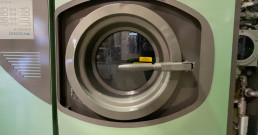
While traditional dry cleaning used perchloroethylene (perc), a chemical solvent that raised environmental and health concerns, many modern dry cleaners now use safer, more eco-friendly alternatives. At The Plant, we use sustainable cleaning methods like hydrocarbon-based solvents, ensuring your clothes are cleaned without harmful chemicals.
Myth #2: Only Clothes with "Dry Clean Only" Labels Need Dry Cleaning
The Truth:
While it's true that clothes labeled "Dry Clean Only" should be professionally cleaned, many other garments, such as delicate fabrics, garments with embellishments, and suits, also benefit from dry cleaning. Even if your clothes don’t have a care label or are machine washable, dry cleaning can help preserve the fabric’s integrity and shape, making them last longer.
Myth #3: Dry Cleaning is Expensive and Not Worth It
The Truth:
Dry cleaning may seem pricier than washing at home, but it’s an investment in your clothing's longevity. Professional care helps to preserve your garments, maintaining their quality, fit, and color for years. Consider it an expense that helps you avoid replacing clothes prematurely, saving you money in the long run.
Myth #4: All Dry Cleaners Are the Same
The Truth:
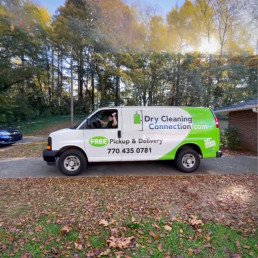
Not all dry cleaners use the same methods or have the same level of expertise. Some dry cleaners use outdated methods that could damage your clothes, while others invest in the latest technology and eco-friendly practices. Always choose a dry cleaner that offers personalized care and a commitment to quality, like your team at Dry Cleaning Connection, which uses modern, gentle methods to care for your clothes.
Myth #5: Dry Cleaning Shrinks Clothes
The Truth:
When done correctly, dry cleaning doesn’t shrink clothes. Shrinking usually occurs when clothing is exposed to excess heat or water. Professional dry cleaning methods, when properly executed, help preserve the shape and size of your garments. That’s why it's important to trust your clothes to experts who understand how to handle delicate fabrics.
Myth #6: Dry Cleaning Can Remove Every Stain
The Truth:
While dry cleaning can remove many tough stains, not all stains can be completely eliminated, especially if they've set into the fabric. It’s essential to address stains as soon as possible and inform your dry cleaner about the type of stain, so they can use the best method to treat it. Some stains, like wine or ink, may require extra attention.
Myth #7: You Can Dry Clean Everything
The Truth:
Not every garment is suitable for dry cleaning. Some items, like leather, suede, or certain delicate fabrics, may require special care. Always consult your dry cleaner if you're unsure whether a garment is suitable for dry cleaning. Your team offers expert advice to ensure your clothes get the proper treatment they deserve.
How The Plant Gets It Right
We prioritize quality care with the latest sustainable techniques to keep your clothes looking and feeling their best. Our expert team knows exactly when and how to clean each garment to preserve its appearance, fit, and fabric.
Trust the Experts for Your Clothing Care
Don’t let myths guide your wardrobe choices — trust your team to provide the best, most reliable service for your clothing needs. With your free pickup and delivery service, caring for your clothes has never been easier.

When to Dry Clean: How to Identify Which Garments Need Professional Care
Not all clothing requires dry cleaning, but some garments demand specialized care to maintain their shape, texture, and longevity. Knowing when to skip the washer and head to the dry cleaner can prevent costly mistakes and keep your wardrobe in top condition. Here’s a practical guide to help you identify which items benefit most from professional dry cleaning.
Check the Care Label
Start by reading the garment’s care label. If it says “Dry Clean Only,” don’t take risks with at-home methods. These labels often appear on fabrics like:
- Silk
- Wool
- Linen
- Cashmere
For items labeled “Dry Clean Recommended,” you may hand wash them carefully, but dry cleaning is the safest bet for long-term care.
Garments with Delicate Fabrics
Some fabrics are inherently delicate and prone to damage in standard washing machines. Examples include:
- Silk: Susceptible to water stains and fading.
- Velvet: Can lose its texture or become crushed.
- Chiffon and Lace: Tear easily without professional handling.
Suits, Blazers, and Formal Wear
Structured garments like suits, blazers, and evening gowns require dry cleaning to preserve their shape and prevent fabric distortion. These items often contain inner linings or layers that water could damage.
Clothing with Stains
Tough stains, such as grease, wine, or ink, can set permanently if not treated correctly. Professional dry cleaners use specialized solvents and techniques to safely remove these stains without harming the fabric.
Items with Embellishments or Delicate Details
Clothing with beading, sequins, embroidery, or other embellishments often doesn’t fare well in a washing machine. Dry cleaning prevents snagging, loosening, or discoloration of these intricate details.
Outerwear
Coats, jackets, and other outerwear are often made from materials like wool or down, which can lose their insulating properties or structure if washed incorrectly.
Heirloom or Sentimental Items
For garments with sentimental value—like wedding dresses, vintage clothing, or family heirlooms—dry cleaning is essential. Professional cleaners have the expertise to preserve these pieces for years to come.
What Happens if You Skip Dry Cleaning?
Ignoring dry cleaning recommendations can result in:
- Shrinkage or stretching.
- Loss of color or texture.
- Permanent damage to embellishments or linings.
The small investment in dry cleaning can save you from costly replacements.
How Your Team Simplifies Dry Cleaning
Your team make it easy to care for your wardrobe with professional dry cleaning services and free pickup and delivery. Whether it’s your everyday workwear or a cherished evening gown, we ensure each garment receives personalized attention.
Don’t Guess—Trust the Experts
Keep your clothes looking their best by knowing when to dry clean. Schedule a pickup with The Plant today, and let us take the hassle out of garment care.

Caring for Special Fabrics: How to Maintain Silk, Wool, and Delicate Garments
Certain fabrics need extra care to maintain their beauty and longevity. Whether it’s the smooth elegance of silk, the warmth of wool, or other delicate materials, knowing how to handle them properly can prevent damage and extend their lifespan. Let’s explore the best practices for caring for these special garments.
Silk: Luxurious Yet Fragile
Why It’s Delicate:
Silk is a natural protein fiber, making it soft, lightweight, and prone to staining and wrinkling.
Care Tips:
- Avoid Excessive Washing: Overwashing can weaken the fibers. Hand wash with cold water or use professional dry cleaning.
- Choose the Right Detergent: Use a detergent specifically designed for silk. Harsh soaps can strip the fabric’s natural sheen.
- Drying: Never wring out silk. Instead, lay it flat on a clean towel and air dry away from sunlight to prevent fading.
- Ironing: If necessary, use a low-heat setting and press on the reverse side with a cloth between the iron and the fabric.
Wool: Warmth That Needs Care
Why It’s Delicate:
Wool’s natural fibers are durable yet sensitive to heat, agitation, and improper cleaning, which can lead to shrinkage or matting.
Care Tips:
- Washing: Most wool garments should be dry cleaned, but some are labeled safe for gentle hand washing in cold water.
- Drying: Never tumble dry wool. Instead, reshape the garment and lay it flat to dry to prevent stretching.
- Storage: Use cedar blocks or lavender sachets to repel moths and store in a breathable garment bag during off-seasons.
Lace, Embellished, and Other Delicates
Why They’re Delicate:
Fabrics like lace or garments with embellishments are susceptible to snagging, tearing, or losing their intricate designs.
Care Tips:
- Hand Wash Only: Use a gentle detergent and lukewarm water for lace or other non-machine-friendly fabrics.
- Dry Cleaning for Embellishments: Sequins, beads, and other embellishments can loosen in regular washing. Professional dry cleaning is safest.
- Storage: Fold these items with tissue paper to prevent snags and avoid hanging delicate materials that can stretch over time.
When in Doubt, Dry Clean
For any fabric or garment you’re unsure about, dry cleaning is often the safest option. Professional cleaners understand how to handle delicate materials and use specialized techniques to preserve their quality.
How The Plant Can Help
At The Plant, your team specializes in caring for delicate and special fabrics. Your expert team ensures your garments are handled with the utmost care, so they look their best for years to come. With your free pickup and delivery service, caring for your most precious items has never been easier.
Eco-Friendly Dry Cleaning: Sustainable Solutions for Your Wardrobe
In today’s world, sustainability isn’t just a buzzword - it’s a responsibility everyone should take on. If you’re someone who cares about the environment while also valuing the longevity of your wardrobe, eco-friendly dry cleaning is the perfect solution. Here is what it takes for the planet and how it can benefit your clothes and conscience.
What Is Eco-Friendly Dry Cleaning?
Traditional dry cleaning often relies on a chemical solvent called perchloroethylene (or “perc”), which is effective for cleaning but has been criticized for its environmental and health impacts. Eco-friendly dry cleaning eliminates or minimizes the use of such harsh chemicals, opting for greener alternatives like:
- Hydrocarbon Cleaning: A gentler solvent that is biodegradable.
- Wet Cleaning: A water-based method that is safe for delicate fabrics and avoids solvents altogether.
Why Choose Eco-Friendly Dry Cleaning?
Healthier for You and Your Family
Perc exposure has been linked to health concerns like skin irritation and respiratory issues. Eco-friendly methods ensure your clothes are free from these harmful residues.
Better for the Environment
- Reduces toxic waste and air pollution.
- Many eco-friendly cleaners use energy-efficient equipment and recycle water, further lowering their environmental footprint.
Gentler on Fabrics
Green cleaning methods are often less abrasive, helping to preserve the color, texture, and integrity of your garments.
What to Look for in an Eco-Friendly Dry Cleaner
When selecting a dry cleaner committed to sustainability, keep an eye out for:
- Clear information about the solvents and methods they use.
- Practices like recycling hangers, minimizing plastic use, and energy-efficient equipment.
How Your Team Does It at The Plant
At The Plant, your team prioritize eco-friendly practices without compromising on quality. Our methods are designed to:
- Keep your garments spotless while being kind to the planet.
- Offer free pickup and delivery to save you time while reducing unnecessary trips and emissions.
Make the Switch Today
By choosing eco-friendly dry cleaning, you’re not just protecting your clothes; you’re also contributing to a cleaner, healthier planet. Ready to make the change? Let us take care of your laundry with our sustainable, hassle-free services. Schedule your first eco-friendly pickup service with The Plant today and feel good about every clean.