


Top 10 Tips to Keep Your Couch Looking Great
Your couch is often the centerpiece of your living room, a place where you relax, entertain guests, and even nap. Keeping it looking fresh and new can be a challenge, but with the right care, you can maintain its appearance for years to come. Here are the top 10 tips to help you keep your couch looking great:
Vacuum Regularly
Dust, crumbs, and pet hair can accumulate on your couch and lead to a worn appearance. Use a vacuum with a soft brush attachment to gently remove debris from the surface and crevices. Regular vacuuming helps prevent dirt from embedding into the fabric.
Treat Stains Promptly
Accidents happen, but how you handle them can make a big difference. Blot spills immediately with a clean, dry cloth to absorb excess liquid. Avoid rubbing, as this can spread the stain. For specific stains, use a fabric-appropriate cleaner and follow the manufacturer's instructions.
Rotate and Fluff Cushions
To prevent uneven wear, rotate and fluff your cushions regularly. This helps distribute the weight and pressure more evenly, preventing certain areas from becoming saggy or flattened.
Use Slipcovers
Slipcovers are a practical solution for protecting your couch from spills, stains, and general wear and tear. Choose a slipcover that fits well and complements your décor. They are also easy to remove and wash when needed.
Avoid Direct Sunlight
Prolonged exposure to direct sunlight can cause fabric and leather to fade over time. Position your couch away from windows or use curtains or blinds to minimize sun exposure. UV-blocking window film can also help protect your furniture.
Clean According to Fabric Type
Different materials require different cleaning methods. For example, microfiber can be cleaned with a mixture of water and mild soap, while leather requires specific leather cleaners and conditioners. Always check the care label for the best cleaning practices.
Protect from Pets
If you have pets, their claws and fur can take a toll on your couch. Use furniture protectors or pet-friendly slipcovers to minimize damage. Regular grooming of your pets can also reduce the amount of hair they shed.
Keep Away from Sharp Objects
Avoid placing sharp objects like pens or keys on your couch. These can puncture or scratch the surface, leading to unsightly damage. Be mindful of what you bring near your couch to prevent accidental damage.
Spot Clean Regularly
In addition to treating stains, give your couch a general spot clean every few weeks. Use a fabric-safe cleaner and a soft cloth to tackle any small spots or stains before they become bigger issues.
Professional Cleaning
Consider having your couch professionally cleaned once a year. Professionals have specialized equipment and cleaning solutions that can deep clean your couch, removing dirt and grime that regular cleaning might miss.
Maintaining your couch’s appearance requires a bit of effort, but with these tips, you can enjoy a beautiful and comfortable piece of furniture for years to come. Happy lounging!


From Laundry Piles to Smiles: Simplifying School Mornings
As summer winds down and the back-to-school season kicks into high gear, families everywhere are preparing for the return to the daily grind. The crisp mornings filled with breakfast routines, school runs, and last-minute backpack checks can be overwhelming. Add to that the never-ending laundry piles, and the morning hustle becomes a recipe for stress.
But what if we told you that we could take one big task off your plate? Your team believes that mornings should start with smiles, not stress. Your laundry and dry cleaning service is designed to simplify your life, especially during those hectic school mornings.
The Morning Rush: A Familiar Struggle
For many families, school mornings are a whirlwind of activity. Between getting the kids dressed, ensuring homework is packed, and grabbing breakfast on the go, there's little time left for anything else—least of all laundry. But those ever-growing laundry piles don’t just disappear; they become a looming chore waiting for you at the end of the day.
How We Help: Transforming Laundry Hassles into Convenience
Imagine waking up to a morning where the laundry is already taken care of. No more searching for clean uniforms, no more scrambling to throw in a load before work. With your service, your laundry is picked up, cleaned, and delivered back to you—all without you lifting a finger.
Here's how it works:
- Schedule a Pickup: Use the easy online system to schedule a laundry and dry cleaning pickup at a time that suits you.
- We Handle the Rest: Your team collects your garments, treats them with care, and ensures every item is cleaned to perfection.
- Delivery to Your Door: Your driver brings your fresh, ready-to-wear garments back to you, ready to be put away—just in time for the next school day.
More Than Just Laundry: Peace of Mind
By taking laundry off your to-do list, your getting back valuable time to focus on what really matters—your family. With one less chore to worry about, you can spend your mornings enjoying breakfast together, chatting about the day ahead, and getting everyone out the door with a smile.
Make this School Year Easier
This school year, let your team be your secret weapon against the laundry stress. With your free pickup and delivery service, you can transform your mornings from chaotic to calm. After all, school mornings should be about preparing for a day of learning and growth, not fretting over laundry piles.
Ready to simplify your routine? Become a Client today and turn laundry day into just another reason to smile.
The Dos and Don’ts of Washing Delicate Fabrics: A Comprehensive Guide
Delicate fabrics, such as silk, lace, and cashmere, require special care to maintain their beauty and longevity. Unlike everyday cotton or synthetic materials, delicate fabrics can easily be damaged by improper washing methods. To help you keep your delicate garments in pristine condition, here’s a comprehensive guide on the dos and don’ts of cleaning delicate fabrics.
Do: Read the Care Labels
Before washing any delicate fabric, always check the care label. This small tag provides essential information on how to care for the garment, including whether it’s safe to machine wash, hand wash, or (most likely) if it should be dry cleaned.
Tip: If the label says “dry clean only,” it’s best to follow that advice to avoid damaging the fabric.
Don’t: Use Harsh Detergents
Harsh detergents can weaken delicate fibers and cause fading or discoloration. Instead, opt for mild, gentle detergents specifically formulated for delicate fabrics. These detergents clean effectively without stripping the fabric of its natural oils or damaging its structure.
Tip: Look for detergents labeled “delicate,” “wool,” or “silk” to ensure you’re using a product that’s safe for your fabric.
Do: Hand Wash When Possible
Hand washing is the safest method for cleaning most delicate fabrics. It allows you to control the washing process, reducing the risk of stretching, shrinking, or damage from agitation.
Instructions:
- Fill a basin with lukewarm water and add a small amount of gentle detergent.
- Submerge the garment and gently swirl it in the water. Avoid scrubbing or wringing the fabric.
- Let the garment soak for 3-5 minutes, then rinse thoroughly with cool water until the detergent is completely removed.
- Gently press out excess water without twisting or wringing the fabric.
Don’t: Use Hot Water
Hot water can cause delicate fabrics to shrink, fade, or lose their shape. Always use cold or lukewarm water when washing delicate items to preserve their quality.
Tip: If the fabric is particularly fragile, stick to cold water to minimize any potential damage.
Do: Use a Mesh Laundry Bag for Machine Washing
If the care label allows for machine washing, use a mesh laundry bag to protect delicate items from snagging or getting tangled with other clothes. This extra layer of protection can help prevent tears, stretching, and damage caused by the washing machine’s agitator.
Tip: Use the delicate or gentle cycle on your washing machine, which has a slower spin speed and reduced agitation.
Don’t: Overload the Washing Machine
Overloading the washing machine can cause fabrics to rub against each other, leading to pilling, stretching, and damage. When washing delicate fabrics, keep the load small to give each item enough space to move freely.
Tip: Wash delicates separately or with other similar fabrics to avoid damage from heavier items.
Do: Air Dry Delicate Fabrics
Heat from the dryer can be too harsh for delicate fabrics, causing shrinkage, damage, or loss of elasticity. Air drying is the safest method to preserve the fabric’s quality.
Instructions:
- Lay the garment flat on a clean, dry towel.
- Gently reshape the garment to its original shape.
- Allow it to air dry completely away from direct sunlight, which can cause fading.
Don’t: Hang Heavy Delicates to Dry
Hanging heavy delicate fabrics, like wet wool or cashmere, can cause them to stretch out of shape. Instead, lay these items flat to dry, as mentioned above.
Tip: For lighter delicates, use padded hangers to avoid creating dents or stretching in the shoulders.
Conclusion
Caring for delicate fabrics requires extra attention, but with the right techniques, you can keep your garments looking beautiful for years. By following these dos and don’ts, you’ll protect your delicate items from damage and ensure they remain a cherished part of your wardrobe.
For those who prefer professional care, your laundry + dry cleaning service specializes in handling delicate fabrics with the utmost care. Contact your team today to learn more about how we can help keep your garments in perfect condition!
How to Properly Store Seasonal Clothing: Tips for Protecting Your Wardrobe
As the seasons change, so does your wardrobe. Storing seasonal clothing properly is essential for maintaining the quality and longevity of your garments. Whether you’re packing away winter coats or summer dresses, following these tips will help protect your clothing and ensure it’s ready to wear when the time comes.
Clean Everything First
Before storing any clothing, make sure it’s clean. Stains, oils, and dirt can set over time, leading to permanent damage. Even if something looks clean, it might contain invisible stains like sweat or deodorant, which can attract pests.
Tip: Wash or dry clean all items before storage. For delicate fabrics, follow specific care instructions to prevent damage during cleaning.
Choose the Right Storage Containers
The type of storage container you use is crucial for protecting your clothing from dust, moisture, and pests. While cardboard boxes might seem convenient, they can attract insects and don’t offer protection from moisture.
Tip: Opt for plastic storage bins with tight-fitting lids, which provide a good barrier against pests and moisture. For added protection, use acid-free tissue paper to wrap delicate items.
Avoid Hanging Heavy Items
Heavy items like coats and sweaters can stretch out if hung for long periods. Folding these items and storing them flat helps maintain their shape and prevent stretching.
Tip: If you must hang garments, use padded hangers for delicate fabrics and sturdy hangers for heavier items to maintain their shape.
Use Garment Bags for Delicate Items
Delicate fabrics like silk, wool, or embellished garments need extra protection. Garment bags are ideal for hanging these items while protecting them from dust and moths.
Tip: Choose breathable cotton garment bags over plastic ones, as plastic can trap moisture and lead to mold or mildew.
Store in a Cool, Dry Place
Where you store your clothing is just as important as how you store it. Avoid areas that are prone to temperature fluctuations, humidity, or direct sunlight, as these can cause fabric damage, discoloration, or mold growth.
Tip: Store clothing in a cool, dry place such as a closet, under the bed, or in a storage unit. Avoid basements, attics, and garages, where temperature and humidity levels can vary widely.
Use Cedar or Lavender for Pest Control
Moths and other pests can wreak havoc on stored clothing, especially wool and other natural fibers. Instead of using chemical mothballs, which can leave a strong odor, consider natural alternatives like cedar blocks or lavender sachets.
Tip: Place cedar blocks or lavender sachets in storage containers or closets to repel moths and keep your clothes smelling fresh. Replace them every few months to maintain effectiveness.
Don’t Overpack
It might be tempting to stuff as much as possible into a storage bin to save space, but overpacking can lead to wrinkles, creases, and fabric damage. Give your clothes some breathing room.
Tip: Fold clothes loosely and leave space at the top of storage bins. For items like boots or hats, stuff them with tissue paper to help them maintain their shape.
Check on Your Clothes Periodically
Even if your clothes are in storage for several months, it’s a good idea to check on them occasionally. This allows you to address any issues like moisture, pests, or fabric creases before they become significant problems.
Tip: Every few months, open your storage bins and inspect your clothes for any signs of damage. Re-fold items if necessary and replace any pest deterrents like cedar blocks.
Conclusion
Properly storing seasonal clothing is essential for protecting your investment and ensuring that your wardrobe stays in top condition year after year. By following these tips, you can avoid common storage pitfalls and keep your garments looking their best.
For those who want expert help with cleaning and storing their clothes, your service is here to make the process easier. Become a Client today to learn more about how your team can assist you in caring for your wardrobe.

How to Extend the Life of Your Clothes: Essential Tips for Gentle Care
We all have those favorite pieces in our wardrobe that we wish could last forever. Whether it’s a cozy sweater, a perfect pair of jeans, or a classic dress, the key to making your clothes last lies in how you care for them. By following a few essential tips, you can extend the life of your garments and keep them looking their best for years to come.
Follow the Care Labels
One of the simplest ways to ensure the longevity of your clothes is to follow the care instructions on the labels. These labels provide valuable information on how to wash, dry, and iron your garments. Ignoring these instructions can lead to shrinkage, color fading, and fabric damage.
Tip: If a label suggests hand washing or dry cleaning, it’s best to follow those guidelines to avoid damaging delicate fabrics.
Wash Less Frequently
Washing clothes too often can wear out the fabric and cause colors to fade. Unless an item is visibly dirty or has an odor, consider wearing it a few times before washing.
Tip: Spot clean small stains and air out your clothes after wearing them to extend the time between washes.
Use Gentle Detergents
Harsh detergents can be tough on fabrics, leading to wear and tear over time. Opt for gentle, fabric-specific detergents that clean effectively without damaging the material.
Tip: Consider using detergents designed for delicate fabrics or those free from harsh chemicals to protect your clothes.
Wash in Cold Water
Hot water can cause fabrics to shrink, fade, and weaken over time. Washing in cold water is gentler on your clothes and can be just as effective at removing dirt and stains.
Tip: Reserve hot water for items like towels and bed linens that can withstand higher temperatures, and use cold water for everyday clothing.
Avoid Overloading the Washer
Overloading the washing machine can prevent clothes from getting properly cleaned and increase the risk of fabric damage. Clothes need space to move around in the washer to ensure an even and thorough clean.
Tip: Stick to smaller loads, especially for delicate fabrics, to reduce friction and wear on your clothes.
Avoid Underloading the Washer Too
Underloading the machine with a few garments and incorrectly selecting the water level increases the risk of over-soaking garments. This leads to incorrect drying times in over-heating your dryer - which may shrink the garment.
Tip: Stick to hand-washing a garment instead of using the delicate cycle for one-off cleaning.
Skip the Dryer When Possible
The heat from a dryer can be hard on fabrics, causing shrinkage, fading, and weakening of the fibers. Air drying is a gentler alternative that helps preserve the quality of your clothes.
Tip: Hang clothes to dry on a drying rack or clothesline, especially delicate items like sweaters, to prevent stretching and damage.
Store Clothes Properly
Proper storage is essential for maintaining the shape and condition of your clothes. Avoid hanging heavy items like sweaters, which can stretch out over time, and make sure clothes are clean and dry before storing to prevent mold and mildew.
Tip: Use padded hangers for delicate items and fold heavy knits to keep them in shape. Store clothes in a cool, dry place away from direct sunlight.
Rotate Your Wardrobe
Wearing the same items repeatedly can cause them to wear out faster. By rotating your wardrobe and giving your clothes a break between wears, you can extend their lifespan.
Tip: Keep seasonal clothes in storage when not in use to reduce wear and tear, and rotate your daily wardrobe to ensure even use.
Your Gentle Care Made Easy...
By adopting these gentle care practices, you can significantly extend the life of your clothes, keeping your wardrobe looking fresh and stylish for years to come. Investing a little extra time and effort into proper care can save you money and reduce your environmental impact by reducing the need for frequent replacements.
If you prefer professional help, consider your laundry + dry cleaning pickup and delivery services. Your team is here to ensure your clothes receive the best care possible, so we can continue to serve you well. Become a Client today to learn more!
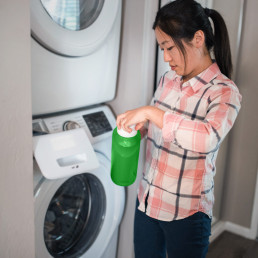
The Best Laundry Detergents for Different Fabric Types: What You Need to Know
Choosing the right laundry detergent can make a significant difference in the cleanliness and longevity of your clothes. Different fabrics have unique care requirements, and using the appropriate detergent ensures that your garments are cleaned effectively without damage. Here’s a guide to the best laundry detergents for various fabric types and what you need to know to keep your wardrobe looking its best.
1. Cotton and Linen
Cotton and linen are durable fabrics that can handle a range of detergents. However, for the best results, opt for a detergent that is tough on stains but gentle on fibers.
Recommended Detergent:
- Tide Original: Known for its stain-fighting power, it works well with cotton and linen, keeping whites bright and colors vibrant.
2. Delicate Fabrics (Silk, Wool, Cashmere)
Delicate fabrics require special care to maintain their texture and appearance. Regular detergents can be too harsh, leading to damage or loss of softness.
Recommended Detergent:
- Woolite Delicates: This detergent is specifically formulated for delicate fabrics, ensuring gentle cleaning without shrinking or fading.
3. Synthetic Fabrics (Polyester, Nylon, Spandex)
Synthetic fabrics are commonly used in activewear and everyday clothing. They need a detergent that can effectively remove oils and odors without breaking down the fibers.
Recommended Detergent:
- HEX Performance Laundry Detergent: Designed for synthetic fabrics, it removes sweat, oils, and odors, keeping activewear fresh and clean.
4. Dark and Bright Colors
Dark and brightly colored fabrics can fade over time if not cared for properly. Using a detergent designed for colors helps maintain their vibrancy.
Recommended Detergent:
- Persil ProClean Color: This detergent preserves color intensity while delivering powerful cleaning performance, preventing fading and keeping colors bright.
5. Whites
Keeping white clothes bright can be challenging, especially with regular use. A detergent with whitening agents can help maintain their pristine appearance.
Recommended Detergent:
- OxiClean White Revive: This detergent contains oxygen-based bleach, which is safe for most fabrics and highly effective at keeping whites bright without chlorine bleach.
6. Baby Clothes
Baby clothes require a gentle detergent that’s free from harsh chemicals, fragrances, and dyes to protect sensitive skin.
Recommended Detergent:
- Dreft Stage 1: Newborn: Hypoallergenic and free from irritants, this detergent is perfect for washing baby clothes, ensuring they are soft and clean.
Tips for Choosing and Using Laundry Detergent
- Read Labels: Always check the care labels on your clothes and follow the manufacturer’s recommendations for detergent use.
- Use the Right Amount: Using too much detergent can leave residue, while too little might not clean effectively. Follow the dosing instructions on the detergent packaging.
- Cold vs. Hot Water: Some detergents are formulated for cold water, which can save energy and prevent shrinking or fading. Check if your detergent is effective in cold water.
- Pre-Treat Stains: For tough stains, pre-treating with a small amount of detergent or a dedicated stain remover can enhance cleaning results.
The Bottom Line...
Choosing the right detergent for your fabric types is essential for maintaining the quality and appearance of your clothes. By understanding the specific needs of different fabrics and selecting the appropriate detergents, you can ensure that your laundry is always fresh, clean, and well-cared for. Happy washing!
For those who want professional help with their laundry needs, our services are here to provide expert care for all fabric types, ensuring your garments stay in top condition. Contact us today to learn more!

Celebrating National Sons and Daughters Day: Fun Ideas and the Gift of More Free Time
National Sons and Daughters Day is the perfect occasion to show appreciation for your children and make cherished memories together. This year, consider how using a laundry + dry cleaning service can give you more free time to focus on what truly matters: enjoying quality moments with your family. Here are some fun and meaningful ways to celebrate, made even easier with a little help from your laundry service:
Plan a Family Adventure
Use your extra free time to explore a new park, hiking trail, or beach. With your team handling your laundry, you can spend less time on chores and more time on adventures. Pack a picnic, enjoy the outdoors, and make it a day to remember with exciting activities and relaxation.
Create a Family Art Project
Unleash your creativity with a family art project. While your team takes care of your laundry, you can focus on creating a masterpiece together. Gather your supplies and work on a collaborative art piece, such as a mural or custom t-shirts, without worrying about a mountain of dirty laundry.
Host a Family Game Night
With your laundry needs taken care of, host a family game night with ease. Bring out the board games, card games, and video games for a night of fun and laughter. Your freshly cleaned clothes will be ready to go, so you can focus on enjoying friendly competition and quality time together.
Cook a Family Meal Together
Spend less time on laundry and more time in the kitchen. Involve everyone in preparing a meal, whether it’s homemade pizza, cookies, or a delicious pasta dish. With your team handling your laundry, you can enjoy cooking and eating together without the stress of laundry piling up.
Have a Movie Marathon
Create a cozy movie-watching environment with freshly cleaned blankets and pajamas. Your laundry service ensures that your family’s favorite movie attire is always ready, so you can relax and enjoy a movie marathon without the hassle of laundry chores.
Write Letters to Each Other
Take some time to write heartfelt letters to each other. With the extra time gained from using a laundry service, you can focus on expressing your appreciation and love through written words. Exchange and read the letters aloud, making the day even more special.
Plan a Mini Family Vacation
If you’re planning a short trip, let your team handle your laundry so you can focus on enjoying your getaway. Whether it’s a day trip or a weekend vacation, having clean clothes ready will make your travel experience more enjoyable and stress-free.
Volunteer Together
Give back to the community while enjoying the freedom from laundry duties. Choose a cause that resonates with your family and spend time volunteering together. With us managing your laundry, you’ll have more time to make a positive impact and bond with your loved ones.
Have a Family Photo Shoot
Capture the day with a family photo shoot and let us handle the laundry so you can focus on looking your best. Choose a fun backdrop, dress up in matching outfits, and create lasting memories with beautiful photos that you’ll cherish for years to come.
Enjoy a Family Talent Show
Showcase each family member’s unique talents with a fun talent show. With laundry off your plate, you can fully enjoy the performance and celebrate each other’s skills. Make the most of your time together and revel in the joy of shared experiences.
More Time Together!
National Sons and Daughters Day is a wonderful chance to connect with your children and create lasting memories. By using your laundry + dry cleaning services, you can enjoy more free time and focus on what really matters: making the day special with your loved ones. Embrace the opportunity to strengthen your family bonds and enjoy quality moments, knowing that your laundry is in good hands.

How to Properly Sort Your Laundry for Optimal Cleaning Results
Sorting your laundry might seem like a mundane task, but it’s crucial for achieving the best cleaning results and maintaining the quality of your clothes. Proper sorting not only helps prevent color bleeding and fabric damage but also ensures that each load is washed in the most effective way. Here’s a guide to sorting your laundry like a pro.
Separate by Color
Light vs. Dark: Start by sorting your laundry into light and dark colors. Washing dark and light clothes together can cause color bleeding, leading to dingy whites and faded colors.
- Lights: Include whites, pastels, and light colors.
- Darks: Include black, navy, dark green, and other deep hues.
Brights: Some prefer to sort bright colors separately, especially if they’re new and prone to bleeding.
Group by Fabric Type
Different fabrics require different washing conditions. Grouping similar fabrics together ensures even cleaning and prevents damage.
- Cottons: This includes t-shirts, jeans, and towels. They can usually handle a hotter wash.
- Delicates: Items like lingerie, silk, and lace should be washed on a gentle cycle or in a mesh bag.
- Synthetics: Polyester, nylon, and other synthetic fabrics usually require a different wash setting than natural fibers.
Check for Stains
Before washing, check each item for stains and treat them accordingly. Pre-treat stains to ensure they come out during the wash.
- Oil-Based Stains: Use dish soap or a stain remover.
- Protein-Based Stains: Use cold water and appropriate stain removers.
Consider the Soil Level
Sort your laundry not just by color and fabric type, but also by how dirty the items are. Heavily soiled items should be washed separately from lightly soiled ones to ensure effective cleaning.
- Heavily Soiled: Include items like workout clothes and dirty towels.
- Lightly Soiled: Include items like freshly worn clothes and lightly used linens.
Read Care Labels
Always check the care labels on your clothing for specific washing instructions. Some items may require hand washing or dry cleaning, so it’s important to follow these guidelines to avoid damage.
Use the Right Detergent
Different types of laundry might benefit from specific detergents. For example:
- Color-Safe Detergents: For bright and dark colors to prevent fading.
- High-Efficiency Detergents: For front-loading washing machines.
- Delicate Detergents: For lingerie and other sensitive fabrics.
Avoid Overloading the Washer
Give your clothes enough space to move around in the washer. Overloading can lead to poor cleaning results and excessive wear and tear on your garments.
Optimal Cleaning Results... & Beyond!
Properly sorting your laundry can make a significant difference in the cleanliness and longevity of your clothes. By following these sorting tips, you’ll ensure that each load is washed in the best possible way, keeping your wardrobe looking great for longer. Happy sorting!
For those who want to save time, consider your laundry services with your team. We’ll handle the sorting and washing for you, delivering freshly cleaned clothes right to your door.
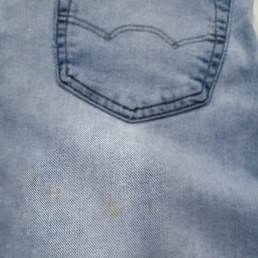
The Ultimate Guide to Stain Removal: Quick Tips for Every Type of Stain
Stains on your clothes can feel like a disaster waiting to happen, but with the right techniques, most of them can be handled with ease. Whether it's a splash of wine at a dinner party or a greasy smudge from a fast-food meal, knowing how to tackle stains effectively can save your favorite garments. Here’s your ultimate guide to removing stains quickly and efficiently.
Act Fast
The sooner you treat a stain, the better your chances of removing it completely. As soon as you notice a stain, take action. Blot the area gently with a clean cloth to absorb as much of the stain as possible before it sets in.
Identify the Stain
Different stains require different treatments. Here’s a quick rundown of common stains and how to handle them:
- Oil and Grease: Apply a small amount of dish soap or baking soda to the stained area. Let it sit for a few minutes before rinsing with warm water. For stubborn stains, try rubbing a bit of laundry detergent into the stain before washing.
- Red Wine: Blot the stain gently with a clean cloth. Sprinkle salt over the stain to absorb the wine. After a few minutes, rinse with cold water and then wash with a mixture of hydrogen peroxide and dish soap.
- Coffee and Tea: Blot the stain with cold water. Mix a tablespoon of white vinegar with a cup of water, and apply it to the stain. Rinse and then launder as usual.
- Blood: Rinse the stain with cold water as soon as possible. Apply hydrogen peroxide or a paste made of baking soda and water. Let it sit for a few minutes, then rinse and launder.
- Ink: Dab the stain with rubbing alcohol using a cotton ball. Blot the area and rinse with cold water. Repeat if necessary before washing.
Use the Right Cleaning Products
Make sure you’re using the right cleaning products for your fabric. Always check the care label on your clothing before applying any stain remover. Test any product on a small, inconspicuous area first to ensure it doesn’t damage the fabric.
Avoid Heat
Heat can set stains, making them harder to remove. Avoid using hot water or putting stained clothes in the dryer until you’re sure the stain is gone. Use cold or lukewarm water when treating stains.
Don’t Rub, Blot
When dealing with stains, it’s important to blot rather than rub. Rubbing can push the stain deeper into the fibers, making it harder to remove. Use a blotting motion with a clean cloth to lift the stain.
Check Before Drying
After washing, check your garment to ensure the stain is completely gone before putting it in the dryer. If the stain remains, repeat the treatment process. Drying can set the stain, making it permanent.
Happy Stain-fighting!
With these tips and tricks, you’re well-equipped to handle almost any stain that comes your way. Remember, acting quickly and using the right techniques can make a big difference. Keep these strategies in mind, and you’ll keep your clothes looking their best for longer!
Feel free to reach out for more personalized advice or laundry services to help keep your wardrobe in top shape.
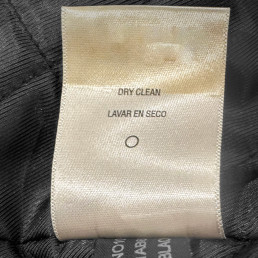
The Clean Revolution: Everything You Need to Know About Dry Cleaning
Dry cleaning is a specialized cleaning process for clothing and textiles using solvents other than water. Unlike traditional washing methods, clothes are soaked in a water-free liquid solvent which effectively removes stains without damaging the fabric.
A Brief History of Dry Cleaning
The origins of dry cleaning can be traced back to ancient Greeks and Romans, who used powdered chemicals and absorbent clay for waterless textile cleaning. By the 1700s, the French had adopted turpentine-based solvents. Modern dry cleaning started in 1821 with American entrepreneur Thomas L. Jennings, who referred to his method as "dry scouring." Jean Baptiste Jolly, a French dye-works operator, later developed a technique using kerosene and gasoline, leading to the first dry cleaning service in Paris in 1845.
Modern Dry Cleaning Infrastructure
Dry cleaning businesses are typically divided into "Plants" that perform on-site cleaning and "Drop Stores" that send garments to a plant for cleaning. Today’s dry cleaning machines are enclosed systems, ensuring no solvent fumes are vented into the atmosphere. They use computer-controlled drying sensors and solvent recovery systems to minimize environmental impact.
How Dry Cleaning Works
Dry cleaning involves soaking garments in a non-water solvent(s) that selectively dissolves stains. Natural fabrics benefit from this method as it prevents the swelling and stretching caused by water. The process includes a wash cycle with solvent, followed by a rinse with fresh solvent, and a drying cycle using warm air. Modern machines recover ~99.99% of the solvent used.
Solvent Reprocessing and Waste Management
Solvent reprocessing involves several filtration steps to remove contaminants. Waste materials like "cooked powder residue" and used filters are regulated by environmental authorities to ensure safe disposal.
Garment Care and Compatibility
Before cleaning, garments are checked for foreign objects to prevent damage. Certain stains need pre-treatment, and some fabrics, like feather bedspreads, require special handling. Not all stains can be removed by dry cleaning, especially those left untreated for long periods.
What Should Be Dry Cleaned?
When deciding whether to dry clean an item, consider the fabric type, care label instructions, and the nature of the stains. Here’s a guide to help you determine what should be dry cleaned. Always follow the cleaning instructions when processing garments.
1. Delicate Fabrics
- Silk: Silk is a natural protein fiber that can lose its sheen and strength when washed with water. Dry cleaning preserves its delicate texture and color.
- Wool and Cashmere: These fibers can shrink, stretch, or become misshapen in water. Dry cleaning maintains their softness and shape.
2. Structured Garments
- Suits and Blazers: The inner linings and structured designs of suits and blazers are best preserved through dry cleaning.
- Coats and Jackets: Wool, cashmere, and other outerwear materials benefit from dry cleaning to maintain their insulation and appearance.
3. Embellished or Ornate Items
- Beaded, Sequined, or Embroidered Clothing: Water can damage embellishments and cause colors to bleed. Dry cleaning keeps intricate details intact.
- Specialty Fabrics: Velvet, chiffon, and taffeta require dry cleaning to prevent damage to their unique textures.
4. Formal and Evening Wear
- Dresses and Gowns: Evening dresses, wedding gowns, and other formal attire often have delicate fabrics and embellishments that need special care.
- Tuxedos: The structured and often delicate nature of tuxedos makes them ideal candidates for dry cleaning.
5. Home Textiles
- Curtains and Drapes: These items can accumulate dust and pollutants, and their size makes them difficult to clean at home. Dry cleaning removes dirt without shrinking or fading.
- Bedding: Items like duvet covers, comforters, and bedspreads, especially those with down filling, should be dry cleaned to maintain their fluffiness and integrity.
6. Stubborn Stains
- Oil-Based Stains: Grease, oil, and makeup stains are more effectively removed with dry cleaning solvents than with water.
- Heavy Stains: Items heavily soiled with complex stains, like wine or ink, often fare better with professional dry cleaning.
7. Vintage and Heirloom Items
- Antique Clothing: Older fabrics and garments with historical value should be dry cleaned to prevent deterioration.
- Heirloom Linens: Family heirlooms, like embroidered tablecloths or delicate lace, require the gentle care of dry cleaning.
When Not to Dry Clean
While many items benefit from dry cleaning, some should be cleaned differently:
- Casual and Everyday Wear: Most cotton, polyester, and synthetic blends can be washed at home.
- Machine-Washable Labels: Always follow the care label instructions. If an item is labeled as machine-washable, it generally doesn’t require dry cleaning.
- Frequent Wear Items: Clothing worn daily, like t-shirts and jeans, is often best maintained with regular home washing.
Dry cleaning is a sophisticated process that has evolved significantly over time. From ancient methods to modern, eco-friendly technologies, it continues to offer a reliable solution for maintaining the quality and longevity of your garments.